Steele's Christmas Tree Farm
Every tree's price depends on height, every tree is tagged with a price for sale.
Welcome to Our Trees
A detailed guide to the species grown at Steele’s Christmas Tree Farm, descriptions of their characteristics, recommendations for selection, and expert tips for maximizing freshness and needle retention. For families who want to cut their own tree or select a pre-cut specimen, understanding tree types helps you choose a tree that fits your home’s décor, room height, and maintenance tolerance.
Why Tree Species Matter
Different species offer distinct scents, needle types, shapes, and durability. Choosing the right species ensures your tree remains attractive and safe throughout the holiday season. In Louisiana’s climate, certain species are better adapted to local conditions while still offering the classic Christmas tree experience—fragrance, form, and longevity.
How Steele’s Christmas Tree Farm Can Help
We make seasonal tree shopping straightforward, enjoyable, and personalized. From the moment you arrive at our farm you will be greeted with direction, seasonal cheer, and a clear process for selecting the perfect tree:
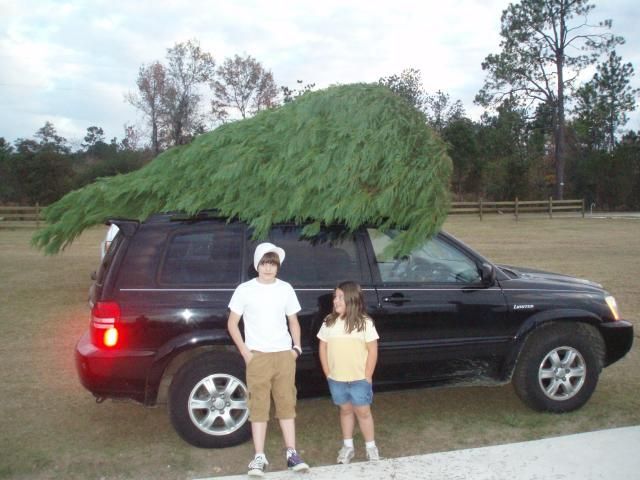
Leyland Cypress (Cupressocyparis leylandii)
Characteristics: Leyland Cypress is a popular choice in the South for its pyramidal shape, dense foliage, and tolerance to warmer conditions. Needles are softer than traditional firs and have a pleasant citrus-like scent.
Best For: Families who want a full, symmetrical tree with softer needles that hold their form well indoors.
Care Tips: Keep the stand full of water. Avoid placing near direct heat sources.
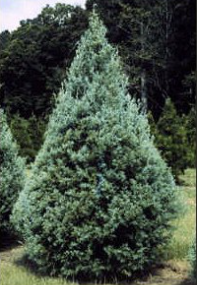
Carolina Sapphire
Characteristics: Carolina Sapphire and Blue Ice has longer needles clustered in pairs and offers a classic pine fragrance. It’s more rugged with an informal silhouette—perfect for those who prefer a natural, rustic look.
Best For: Rustic decor and households wanting a strong pine scent.
Care Tips: Monitor water level closely; pine can absorb water quickly initially but stabilizes.
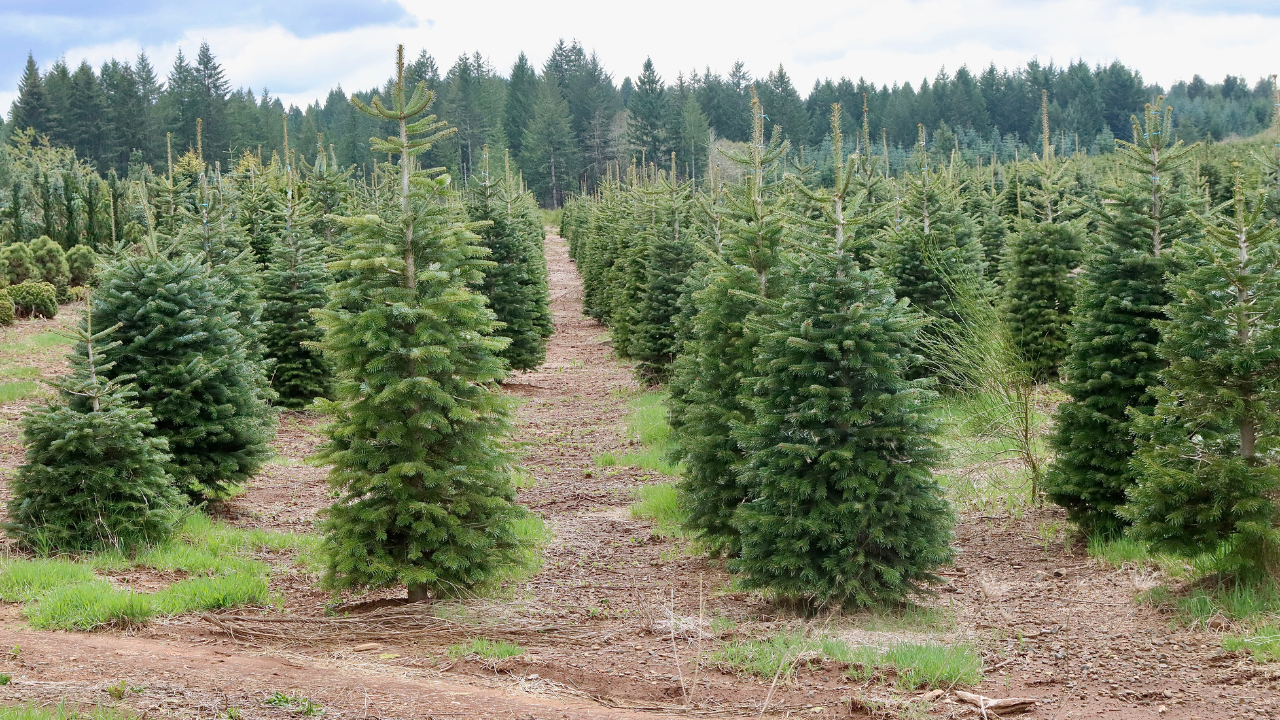
Blue Ice
Characteristics: If you find these species among our offerings, they are prized for strong needle retention, classic Christmas scent, and symmetrical form.
Best For: Traditional indoor displays and families that prioritize needle retention and shape.
Care Tips: Provide steady water and keep away from direct heat.
How to Choose the Right Tree for Your Home
Size and Space
- Price Range: Depends on species and height; call or check signage on arrival for exact pricing.
- Payment Methods: We accept cash and checks. For large group purchases or special arrangements. There is an ATM in the gift shop.We accept cash and checks. For large group purchases or special arrangements. An ATM is located in the gift shop for your convenience.
- Discounts and Specials: We occasionally offer early-season specials, veteran discounts, and discounts for bulk or group purchases; inquire when you call.
Needle Type and Maintenance
- Soft-needled trees (e.g., Leyland Cypress): Easier to handle, lighter on hands when decorating.
- For families with allergies: Needle types and resin can vary. Open doors and ventilate rooms when first bringing the tree in to reduce strong odors.
Fragrance
If scent is a key part of your holiday tradition, pines and cedars offer a strong pine/sap aroma; firs and cypresses are subtler but still pleasant.
Durability & Needle Retention
- Species like Fraser Fir (if available) are known for excellent retention; Leyland Cypress and Eastern Carolina Sapphire and Blue Ice also perform well when fresh and properly watered.
- Avoid trees that feel brittle, have widely spaced branches, or show excessive browning.
Selecting Your Perfect Tree at the Farm
- Freshness Test: Run your hand across a branch to see if needles are firmly attached. Gently bounce the trunk on the ground to check for shedding—some surface shedding is normal but not heavy loss.
- Shape: View the tree from several angles. Many customers stand back, spin the tree, and imagine it in the intended location at home.
- Balance Size & Aesthetics: Taller homes may prefer taller trees; smaller rooms often do better with thicker, compact specimens.
How We Prepare Trees for You
- On-site Cutting: If you cut your own tree, we’ll show you where to cut to preserve trunk integrity and offer a final trim for a flat, drinkable surface in your stand.
- Pre-Cut Preparation: Pre-cut trees are trimmed, shaken to remove loose needles and sap, and netted for easier handling and transport.
- Netting & Loading: We provide netting and assistance to load your tree safely into vehicles.
Care Tips After Purchase
- Fresh Cut: If possible, make a 1/2 to 1 inch fresh cut across the trunk before placing in the stand to allow the tree to absorb water.
- Watering: Fill the stand immediately and check daily. Trees can drink a surprising amount, especially the first few days.
- Location: Place away from heaters, fireplaces, direct sunlight, and vents to slow drying.
- Lighting Safety: Use tested lights and turn off when leaving home or overnight.
Ideas for Decorating by Species
- Leyland Cypress: Works well with soft ornaments and ribbon due to dense foliage.
- Carolina Sapphire and Blue Ice: Pairs beautifully with rustic, natural ornaments like pinecones, burlap, and wood.
- Carolina Sapphire and Blue Ice: Great for minimalist or small-space decor; try string lights and a simple star topper.
Frequently Asked Questions (FAQs)
Which tree is best for needle retention?
Fraser Fir historically has excellent retention; in our local plantings Leyland Cypress and Eastern Red Cedar also retain needles well when fresh and properly watered.
How often should I water my tree?
Check daily. The first week a tree may absorb a gallon or more depending on size; keep the stand full to prevent the trunk from sealing over.
How long will my tree last indoors?
With proper care (fresh cut, consistent water, away from heat), many of our trees will stay fresh for four to six weeks or longer.
Can you recommend a tree for allergies?
While no species is guaranteed to be hypoallergenic, cypress varieties are often milder in scent than pines. If allergies are a concern, consider ventilating the room and keeping the tree slightly cooler and away from direct heat.
Contact and Planning
For assistance in choosing a tree or to discuss group needs,
call (985) 966-1041 or visit:
Steele’s Christmas Tree Farm
56459 Dollar Road
Angie, LA 70426
United States
Visit our farm to see, smell, and select from our full variety of trees.